What to Look Into Before Booking a Helicopter Tour in Dubai
Understanding the operator and the aircraft
Before you confirm a booking, it pays to look closely at who runs the tour and what kind of helicopter they use. Not every operator follows the same standards, and the aircraft itself can shape the whole experience. Check whether the company holds the necessary approvals from local aviation authorities. A legitimate tour operator should be transparent about its safety record and happy to answer questions about maintenance schedules. The type of helicopter matters too. Some are designed for short scenic hops with large windows that give everyone a good view, while others might have a more enclosed cabin. Ask about the specific model you will be flying in and how many passengers it carries. This information is often listed on the operator’s website, but if it is not, a quick phone call can clear things up.
Seat capacity and cabin layout
Seat capacity is more than just a number. A helicopter that seats four might feel spacious, while one that squeezes in six could leave you feeling cramped, especially on a longer flight. The layout also affects how much you see. Some helicopters place the pilot in the middle with passengers on either side, which gives everyone a decent view. Others have two rows of seats, and the passengers in the back may have a more restricted line of sight. If seeing the city from above is your main reason for booking, you want to be sure you are not stuck behind a bulkhead. Ask the operator which seat you will get and whether there is an option to choose your spot.
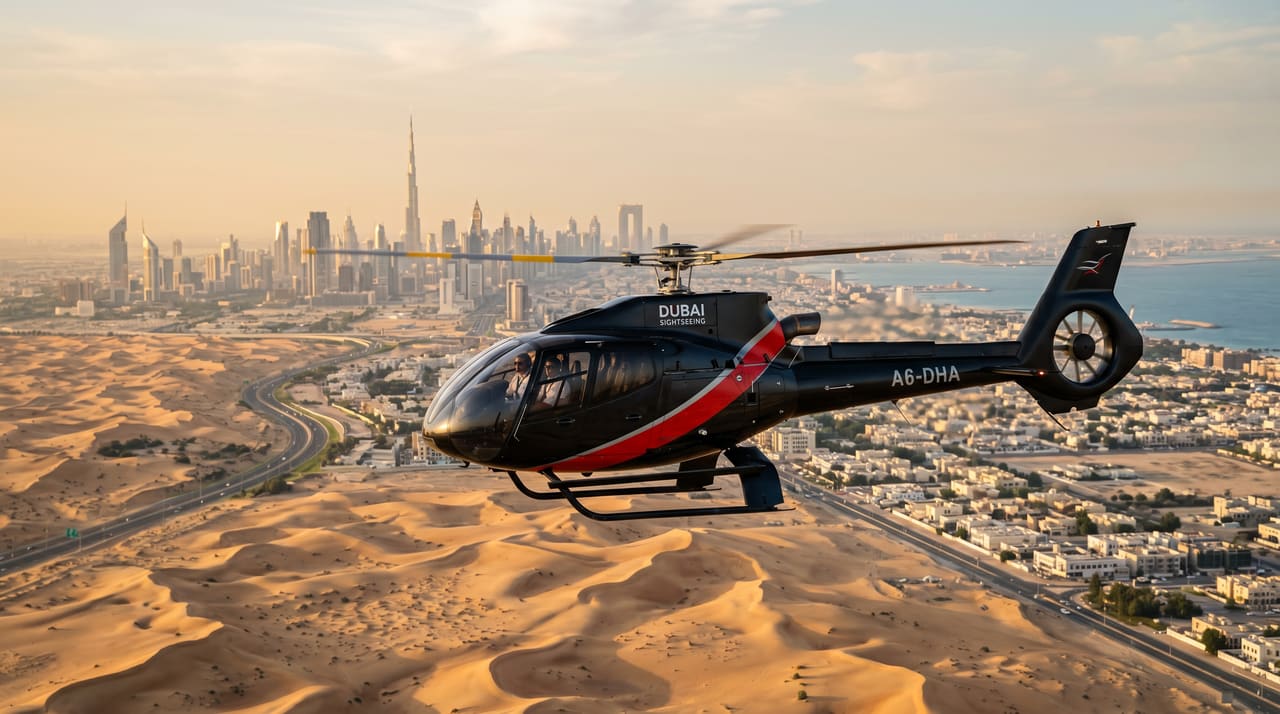
One local option is Helicopter Tour Dubai. They operate out of the Palm Jumeirah area and are a common choice for visitors looking to see the coastline from above.
Flight path and what you will actually see
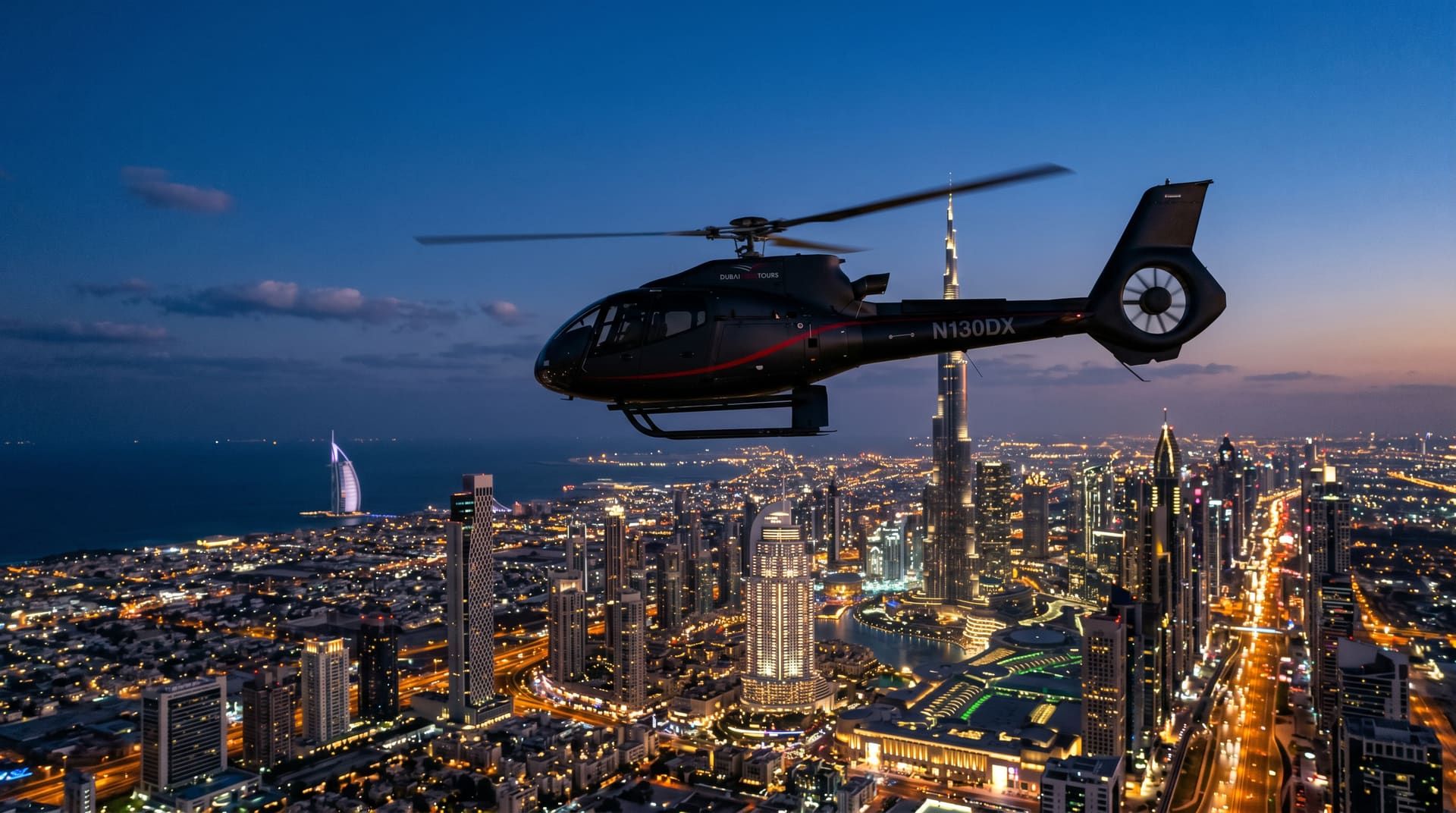
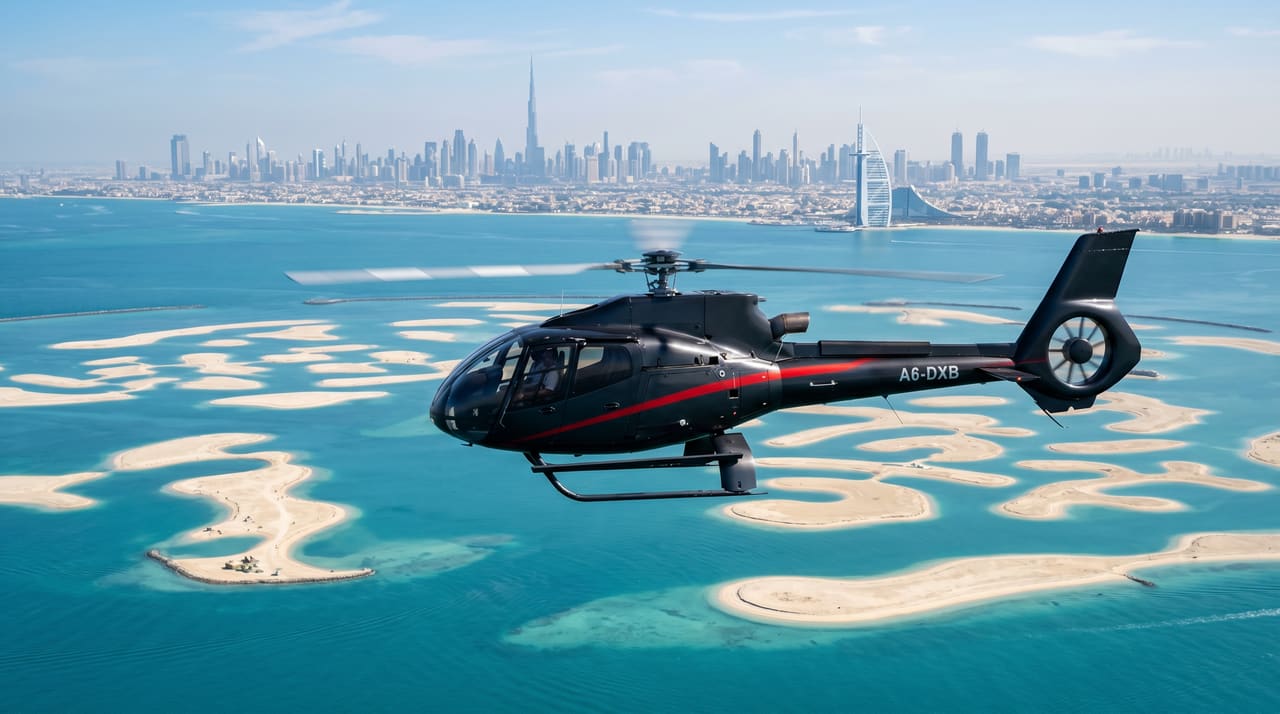
The advertised route can sound impressive, but the reality may differ depending on air traffic restrictions, weather, and the operator’s usual procedures. Some tours stick to a set corridor that passes key landmarks, while others offer more flexibility. Ask for a clear description of the flight path before you pay. Will you fly over the Burj Khalifa, or just see it from a distance? Does the route include the Palm Jumeirah, the World Islands, and the coastline, or is it a shorter loop that stays inland? Knowing the exact path helps you decide whether the tour matches your expectations. It also lets you plan the best time of day for lighting and visibility.
Duration and altitude
Flight times vary from a quick 12-minute hop to an extended 40-minute tour. The shorter options are often cheaper, but they may not give you enough time to take in the sights properly. Longer tours cost more but allow for a more relaxed pace and a chance to see more landmarks. Altitude is another factor. Lower flights give you a closer look at the buildings and beaches, while higher altitudes provide a broader panorama. Some operators offer a mix of both, starting low over the coast and then climbing for a wider view. Ask what altitude the flight typically cruises at and whether the pilot adjusts it based on conditions.
Weight limits and passenger restrictions
Weight limits are a practical concern that many people overlook. Helicopters have a maximum takeoff weight, and exceeding it affects safety and performance. Operators set individual passenger weight limits, and they may weigh you before the flight. If you are close to the limit, you might be asked to sit in a specific seat to balance the aircraft. Some operators also have a combined weight limit for the group. If you are booking as a pair, check that your total weight falls within the allowed range. Children and infants have their own restrictions too. Some tours allow young children, while others set a minimum age. Always confirm these details when you book.
Safety equipment and pre-flight briefing
Safety equipment is not something you want to discover on the day. Ask the operator what safety gear is carried on board. Life vests are standard for flights over water, and some helicopters also carry emergency locator transmitters and first aid kits. The pilot should give a pre-flight briefing that covers emergency procedures, how to use the seatbelt, and what to do if you need to exit the aircraft quickly. If the briefing feels rushed or incomplete, that is a red flag. A professional operator takes the time to explain everything clearly, even if you are an experienced flyer.
Cancellation policy and weather contingencies
Weather in Dubai can change quickly, especially during the summer months when dust storms and high winds are common. A reputable tour operator will have a clear cancellation policy that explains what happens if the flight is called off due to weather. Some offer a full refund or a reschedule, while others may only give a credit. Read the terms before you book, and ask what happens if you need to cancel for personal reasons. Flexibility matters, particularly if your travel dates are tight. Also check whether the operator uses live tracking or real-time weather updates to decide whether a flight goes ahead. This shows they take conditions seriously rather than pushing through regardless.
Advance reservation and payment terms
Advance reservation is almost always required for helicopter tours, especially during peak tourist season. Popular time slots can book out days or weeks ahead. Make your reservation as early as possible to secure the date and time you want. Payment terms vary. Some operators ask for a deposit at the time of booking, while others require full payment upfront. Credit card payments often offer more protection than bank transfers or cash. Ask about the refund policy for cancellations you make yourself. A reasonable operator will give you a partial refund or a credit note if you cancel within a certain window. Avoid any company that refuses to put its cancellation and refund policy in writing.
What to wear and bring
Dress for comfort and practicality. Lightweight clothing works best in Dubai’s warm climate, but the cabin can get cool at altitude, so a light jacket is a good idea. Closed-toe shoes are recommended, especially if you are boarding from a helipad. Sunglasses are useful because the glare off the ocean and buildings can be intense. Leave loose items like hats and scarves behind, as they can blow away when the doors open. Some operators provide a secure pocket or pouch for your phone and camera, but it is wise to keep valuables to a minimum. If you plan to take photos, check whether the operator allows cameras on board and whether there are any restrictions on the type of equipment you can bring.
Recording your experience
Many passengers want to capture the flight on video or photos. Some operators have strict rules about recording, especially if they offer their own photography packages. Ask whether personal cameras and phones are allowed, and whether you need to mount them in a specific way. GoPro mounts and selfie sticks are often banned because they can interfere with the controls or become a hazard during an emergency. If recording is important to you, choose an operator that permits it and plan how to secure your device during the flight. A wrist strap or a lanyard can prevent a costly drop.
For those who want a straightforward booking experience, Helicopter Tour Dubai is one operator worth considering. They are based at 447Q+C4 مول - Nakhlat Jumeira - Dubai - United Arab Emirates and can be reached at +971 56 944 4804.